



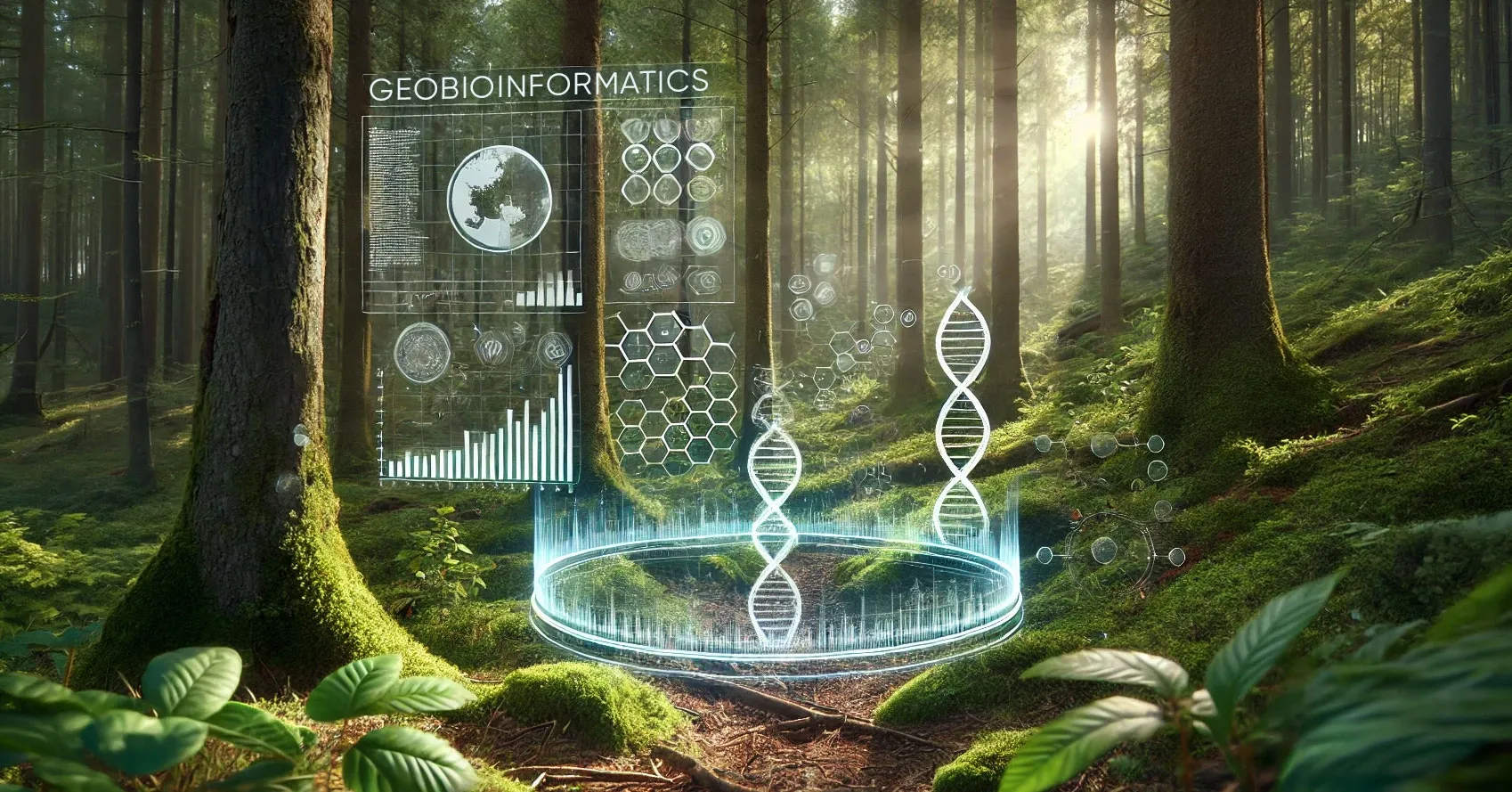
In an era of climate change and emerging diseases, science must evolve to the next level. Researchers at the University of Sopron have developed a unique approach: by merging geoinformatics and bioinformatics, they are now able to not only pinpoint where a forest is struggling but also seek remedies at a molecular level. This field, referred to as "geobioinformatics," is considered a pioneering discipline even on an international scale.
Forest dieback, severe droughts, and the appearance of new pests - such as the diseases currently decimating walnut trees - are challenges that traditional methods can no longer address quickly enough. However, the Faculty of Forestry at the University of Sopron has created a synergy that is rare even by global standards.
The key to the solution is geobioinformatics. This field bridges two seemingly distant sciences: geoinformatics, which deals with spatial data, and bioinformatics, which analyzes biological processes.
"As geoinformaticians, we use satellite and drone technology to accurately map areas where problems arise. We can see patches of drying forest and the direction in which diseases are spreading. Our bioinformatics colleagues then conduct molecular investigations and DNA sequencing at these specific points. They identify exactly which pathogens are present and, more importantly, find the individual trees that, for some reason, remain resistant to the disease," explained Dr. Kornél Czimber, Vice-Dean of the Faculty of Forestry at the University of Sopron.
The essence of this method is precision. Researchers are no longer searching blindly in the vast woodlands. Geoinformatics shows exactly where to take samples, while bioinformatics reveals the cellular biological background. This dual approach could lead to the development of resilient forest types of the future or new eco-friendly pesticides.
Artificial Intelligence (AI) has also become an indispensable tool in this research. Experts in Sopron are training algorithms to recognize different tree species from vast amounts of drone and satellite imagery, or to spot the slightest changes in the canopy.
"This same intelligent technology helps our colleagues analyze DNA samples. They identify pests from massive databases and monitor the correlations," the Vice-Dean added.
It is this complex perspective that has made the Sopron research group - including Prof. Dr. György Sipos and his team - internationally successful, with their results being published in the most prestigious academic journals.
In addition to research, the Faculty of Forestry at the University of Sopron plays a leading role in education. A few years ago, they launched the Geobioinformatics Master’s program (MSc). This two-semester program, taught in English, is designed for surveyors, foresters, environmentalists, and IT professionals alike.
"Our goal is to train professionals who understand both the language of nature and the latest digital technologies," emphasized Dr. Kornél Czimber.
The university’s long-term goal is to make this program available internationally, potentially in an online format, turning Sopron into a global digital knowledge hub for forest protection.
For more information and details about the program, please click HERE.
Related content
- Registration: Roots & Routes 1st International Staff Week at the University of Sopron
- International Students Visit Local Animal Shelter
- International Spotlight on Forestry Research at the University of Sopron
- International Peer Support in Action: Sharing, Reusing and Caring
- Record-Breaking Sustainability Ranking: University of Sopron Secures a Spot in the World's TOP 80
- Fresh Starts - University of Sopron Welcomes New Students with Orientation Day
- University of Sopron and Mendel University Build Key Regional Partnership
- A New Academic Year Begins at the University of Sopron
- University of Sopron is a Finalist in the International Green Gown Awards 2026
