



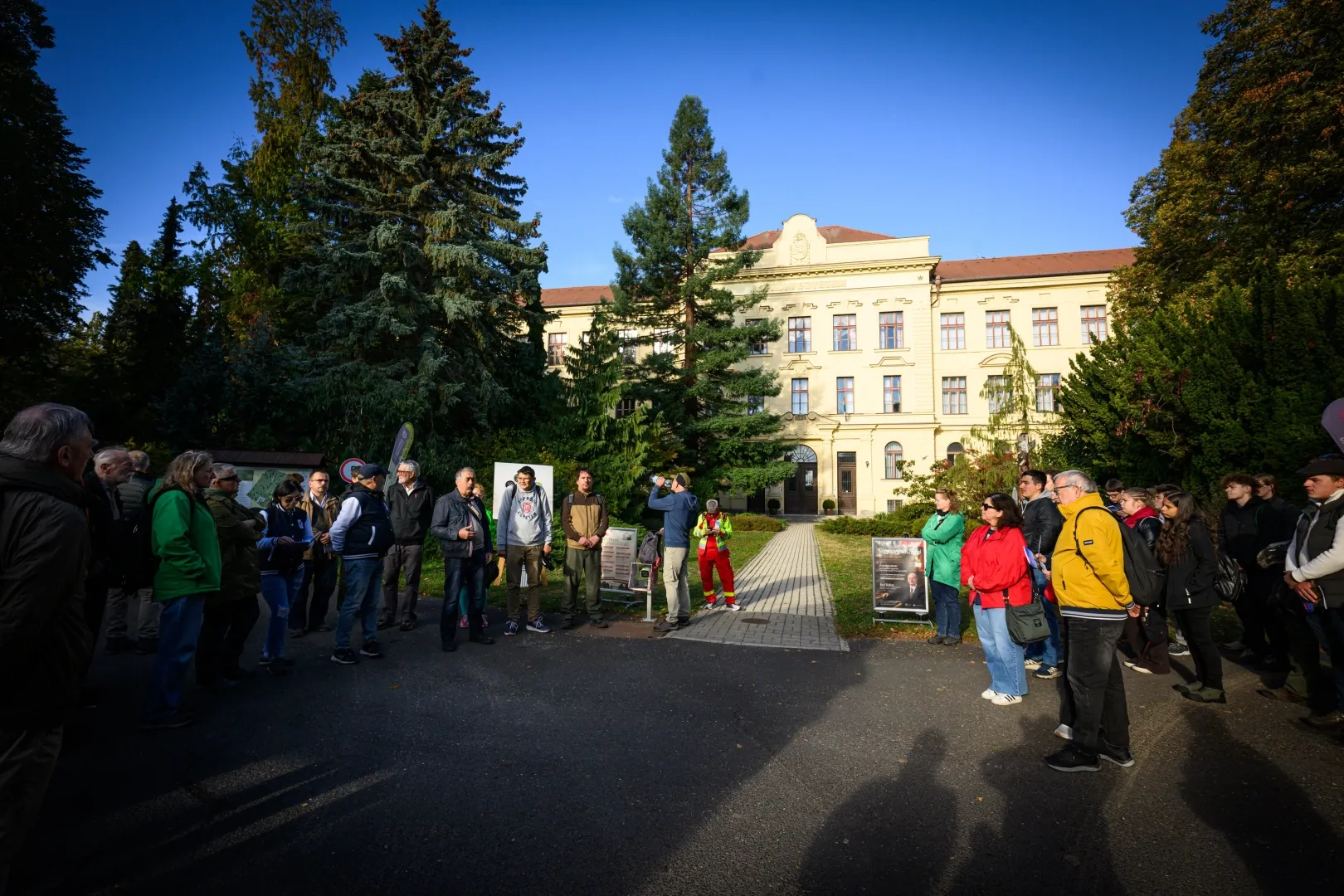
Personal memories, historical sites, and a touching poetry recitation made the first event of the University of Sopron’s series of programs, organized for the 70th anniversary of the 1956 Revolution and Freedom Fight, truly memorable. On the memorial hike on October 17, nearly sixty people set out—including Canada's Ambassador to Hungary, H. E. Judith Gelbman—to recall the fate-defining days of the Sopron students.
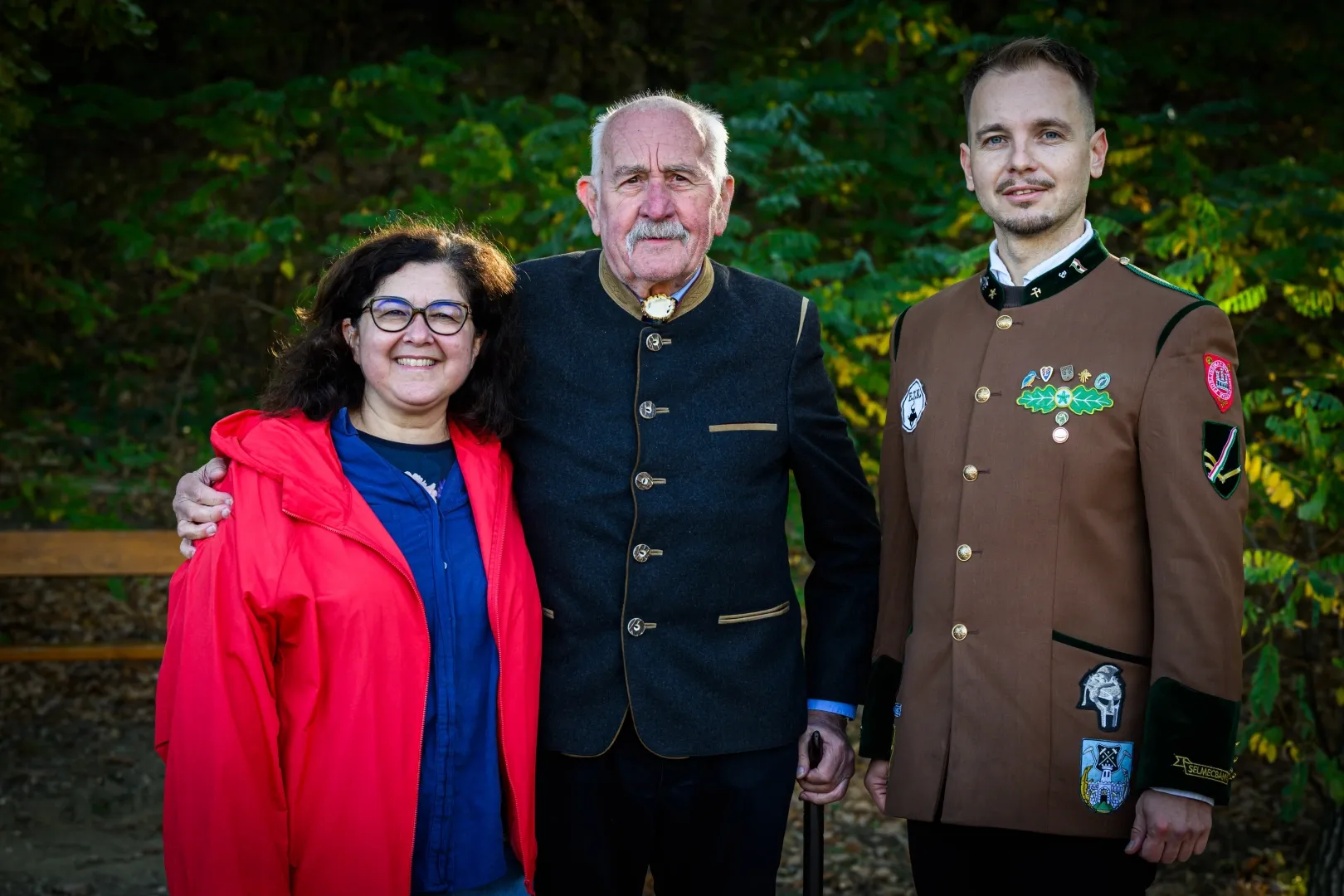 |
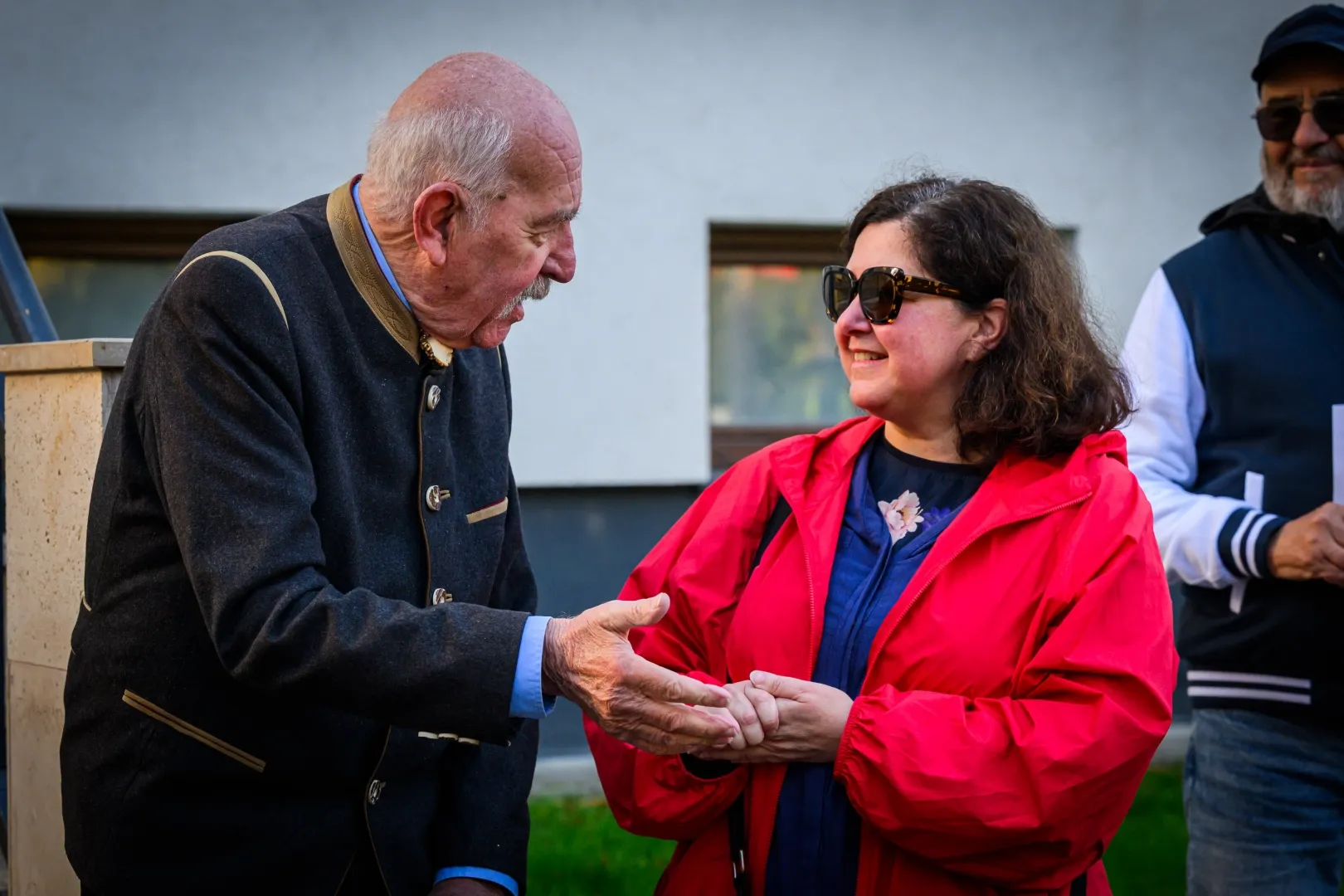
| H. E. Judith Gelbman, József Komlóssy alumnus, Current Student at the University of Sopron |
Under beautiful autumn skies at nine o'clock in the morning, participants gathered at the main building of the University of Sopron, from where they set off together on the memorial hike. The group was joined by Canada's Ambassador to Hungary, H. E. Judith Gelbman, and Senior Trade Commissioner Danielle Sabourin from the Embassy of Canada in Budapest. Along the route, they visited several sites closely tied to the events of 1956.
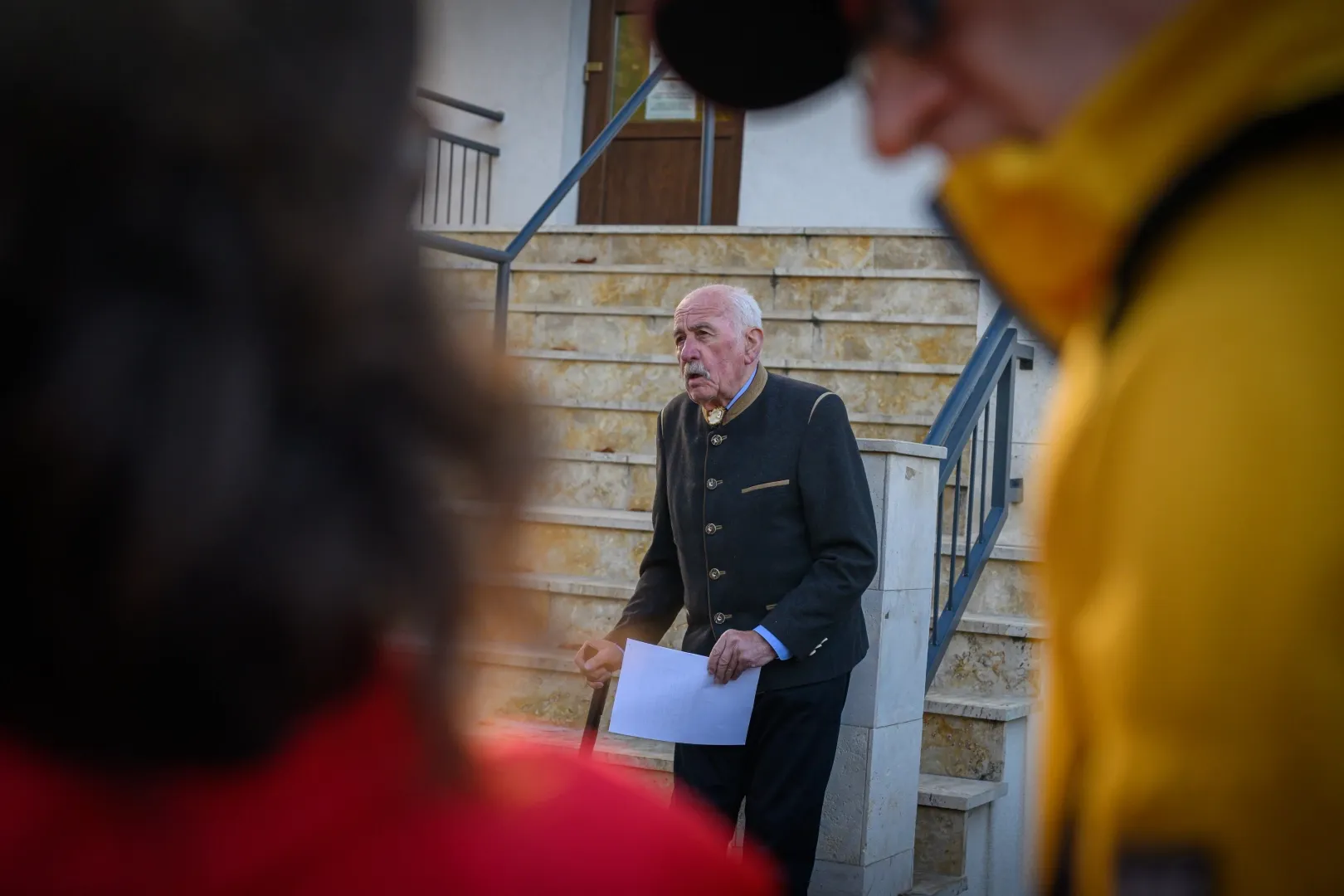
The first stop was the former Sotex Cultural Center, now the GYIK Event Center, where ninety-year-old József Komlóssy—a former Sopron student who later lived in Vancouver—recalled what happened through his personal memories. At the Printz Rest Area, Tamás Szemerey, the chief organizer of the hike, spoke about the events of the revolution, after which the participants traveled by bus to the parking lot of the Károly Lookout Tower. Another historical retrospective followed at the Trianon Monument, and finally, they continued on foot from the entrance of the Várhely Lookout Tower to Muck.
These locations play a particularly crucial role in the 1956 history of Sopron. Students from the Faculty of Forestry and the engineering faculties actively participated in the revolutionary events. On October 22, the local chapter of MEFESZ (Mezőgazdasági és Élelmiszeripari Felsőoktatási Hallgatók Szövetsége / Association of Hungarian University and College Students) was formed at a mass meeting of Sopron students, and over the following days, students assisted in maintaining order in the city, organizing relief shipments, and representing the cause of the revolution.
On November 4, after the Soviet assault began, a group of students attempted to prevent the occupation of Sopron. They took up defensive positions near Kópháza and Nagycenk, but armed resistance ultimately did not materialize. The students laid down their weapons, and many headed west. A significant portion made their way toward Muck, where members of the university community gathered before continuing toward the border.
The majority of the student body at the Sopron Technical University—around 450 students—fled to the West. Among them, approximately 220 were forestry engineering students, while their peers were students of mining, petroleum engineering, geophysics, geology, and land surveying.
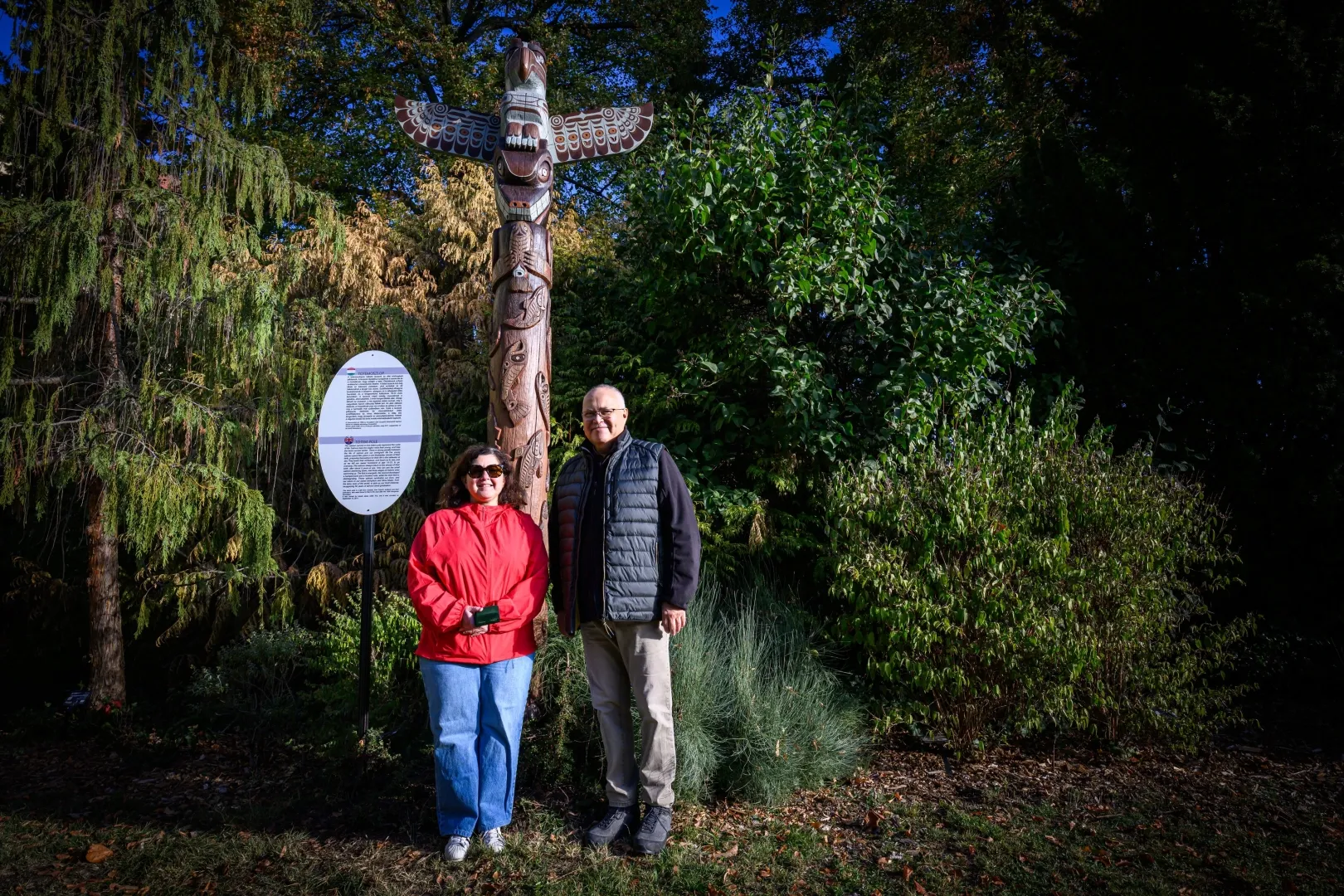
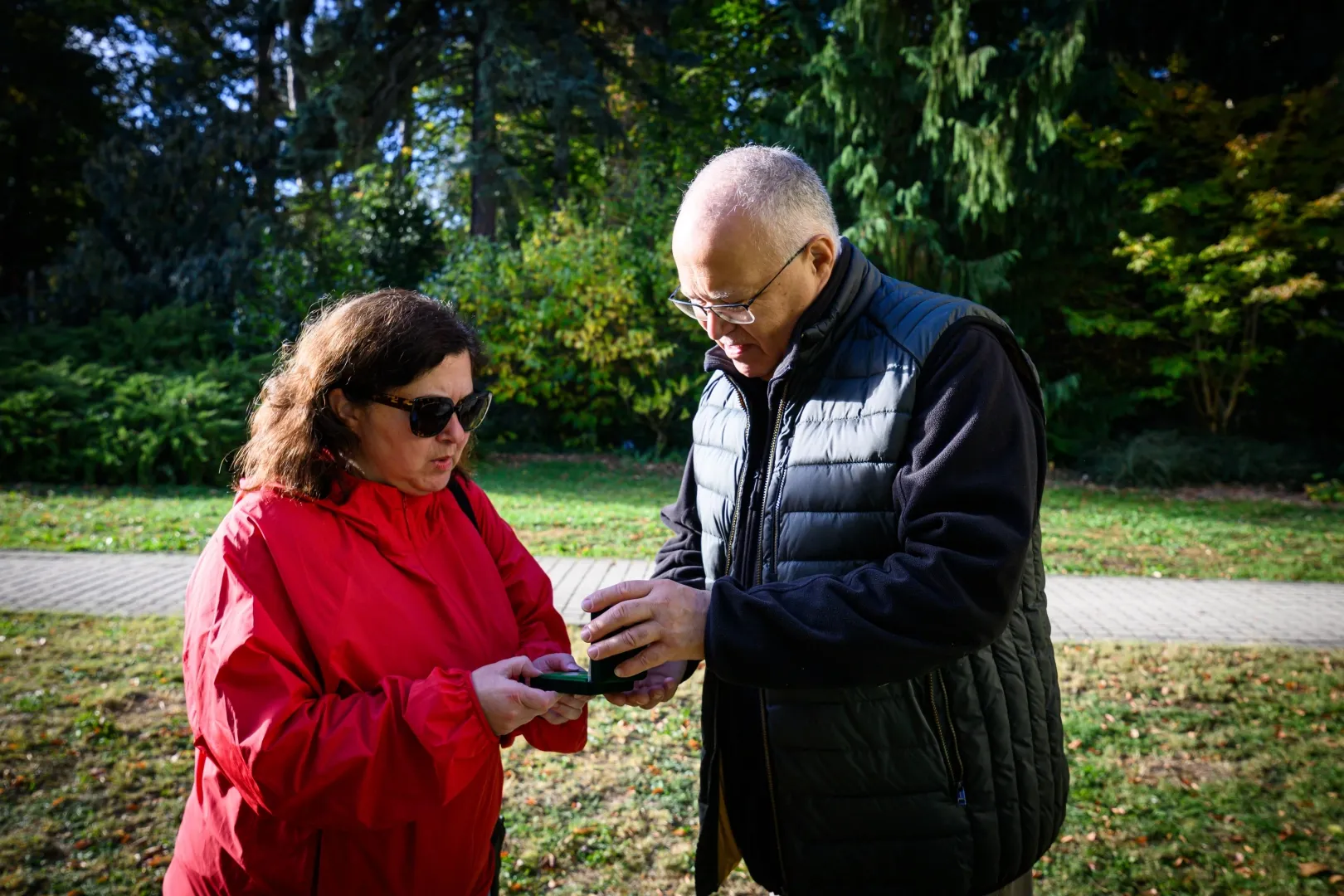
At Muck, the historical setting and personal memories met in a unique way. József Komlóssy brought along the hat he wore in 1956 and recited a poem by Sándor Petőfi. The elderly alumnus delivered the lines with such intensity that several audience members were visibly moved. Afterward, he once again recalled the events of seventy years ago, during which hundreds of young people were forced to leave their homeland and start a new life across the border.
 |
 |
 |
 |
The University of Sopron’s anniversary series of programs continues with another event on Monday, October 19. A joint commemorative exhibition by the university, the Sopron Museum, and the local archives presents Sopron’s 1956 history. Through documents, photographs, and personal artifacts, visitors can gain a closer look at the local events of the revolution and the stories of those who took part in them.
Related content
- International Spotlight on Forestry Research at the University of Sopron
- University of Sopron and Mendel University Build Key Regional Partnership
- International Life Gets Underway at the University of Sopron
- International Students Visit Local Animal Shelter
- Fresh Starts - University of Sopron Welcomes New Students with Orientation Day
- A New Academic Year Begins at the University of Sopron
- International Peer Support in Action: Sharing, Reusing and Caring
- Record-Breaking Sustainability Ranking: University of Sopron Secures a Spot in the World's TOP 80


